
Turkey’s Most Important Archaeological Discoveries
Why Turkey Remains One of the World’s Greatest Archaeological Destinations
When most travelers picture Turkey, they imagine the soaring domes of Istanbul’s mosques, the surreal fairy chimneys of Cappadocia, or the brilliant turquoise waters of the Mediterranean coast. But beneath these famous attractions lies something even more extraordinary: one of the richest archaeological landscapes on Earth. Turkey is home to the remains of countless civilizations that shaped human history. From the world’s oldest known temple complexes to the mighty empires of the Hittites, Greeks, Romans, Byzantines, and Ottomans, Anatolia has been a crossroads of cultures for thousands of years. What makes Turkey especially thrilling today is that major discoveries continue to emerge almost every year. Archaeologists are unearthing evidence that challenges long-held beliefs about the origins of civilization, religion, agriculture, and urban life. For history enthusiasts planning a trip to Turkey, these recent finds add a fascinating new dimension to any journey. Many of these sites are open to visitors, offering the rare chance to witness history being rewritten in real time. In this article, we explore some of Turkey’s most significant archaeological discoveries of recent years and explain why they matter to anyone interested in the ancient past.
Karahantepe: The Discovery Changing Our Understanding of Human Civilization
A New Window into the Neolithic World
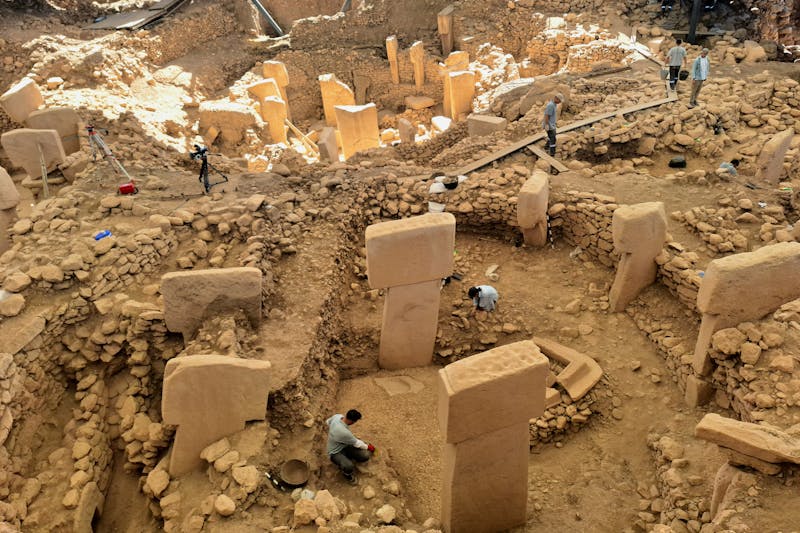
Located in Şanlıurfa Province in southeastern Turkey, Karahantepe has emerged as one of the most important archaeological sites discovered in the 21st century. Often called the “sister site” of Göbekli Tepe, Karahantepe dates back approximately 11,500 years, making it one of the oldest known monumental settlements in the world. Excavations have revealed:
- Massive T-shaped stone pillars
- Human and animal sculptures
- Ritual structures
- Monumental communal spaces
- Intricate carvings and symbolic artwork
One of the most remarkable finds includes life-sized human representations carved directly into stone architecture. These discoveries suggest that complex symbolic thinking and ritual behavior developed much earlier than previously believed. For decades, archaeologists assumed that agriculture led to organized societies. Sites like Karahantepe and Göbekli Tepe challenge that theory, hinting that religious and social cooperation may have emerged before farming became widespread.
Why Travelers Should Visit
Karahantepe is part of the larger Taş Tepeler (Stone Hills) Project, a cluster of prehistoric sites across southeastern Turkey. Visitors can combine Karahantepe with:
- Göbekli Tepe
- Şanlıurfa Archaeology Museum
- Haleplibahçe Mosaic Museum
- Ancient Harran
Together, these sites offer one of the most extraordinary archaeological experiences anywhere in the world.
Göbekli Tepe: The Site That Continues to Rewrite History
Although Göbekli Tepe was discovered earlier, ongoing excavations keep producing groundbreaking finds. Dating to around 9600 BCE, Göbekli Tepe is widely regarded as the world’s oldest known temple complex. Its massive stone pillars, adorned with animal reliefs, reveal an unexpected level of organization and artistic skill among prehistoric hunter-gatherers. Every new discovery at Göbekli Tepe strengthens the idea that organized religion and communal rituals may have played a critical role in the birth of civilization. For visitors, walking among structures built more than 11,000 years ago creates a powerful connection to humanity’s distant past.
The 12,000-Year-Old Female Shaman Burial at Çemka Höyük
One of the Most Fascinating Burials Ever Found in Turkey
At Çemka Höyük in southeastern Turkey, archaeologists uncovered a burial dating back roughly 12,000 years. The grave contained:
- Human remains
- Wild animal bones
- Aurochs skull fragments
- Bird remains
- Symbolic objects
Researchers believe the woman buried there may have held a special spiritual role in her community, possibly as a shaman or ritual specialist. This discovery offers rare insight into the beliefs and ceremonial practices of prehistoric societies at the transition between the Paleolithic and Neolithic periods.
Why It Matters
The burial shows that complex spiritual traditions existed long before cities, kingdoms, or organized religions. For travelers interested in ancient cultures, finds like this reveal the human stories behind archaeology—not just artifacts, but the lives and identities of real people who lived thousands of years ago.
Çatalhöyük and the Discovery of an 8,600-Year-Old Bread
The World’s Earliest Bread?
Çatalhöyük, near Konya in central Turkey, is already famous as one of the world’s oldest large settlements. In recent years, researchers identified remarkably preserved bread remains dating back about 8,600 years. The discovery attracted global attention because bread is one of humanity’s most fundamental foods and a symbol of settled agricultural life. The ancient loaf provides evidence about:
- Early farming practices
- Food production methods
- Daily life in Neolithic communities
- The development of agriculture in Anatolia
Visiting Çatalhöyük
Today, travelers can explore excavated houses, ancient wall paintings, burial chambers, and protective shelters over the excavation areas. A visit offers a unique window into how humanity transitioned from hunting and gathering to permanent settlement.
Tepecik-Çiftlik Höyük and the Mystery of Plastered Skulls
Among the most intriguing recent discoveries are the plastered human skulls found at Tepecik-Çiftlik Höyük in central Anatolia. Dating back roughly 9,000 years, these skulls were carefully modified after death using plaster and paint. Archaeologists believe this practice may have been linked to:
- Ancestor worship
- Family identity
- Religious rituals
- Social memory
The discovery connects Anatolia to broader Neolithic traditions across the Near East while highlighting the unique cultural practices of prehistoric communities.
A Bronze Age Minoan Dagger Found off the Coast of Antalya
Underwater Archaeology Reveals Ancient Trade Networks
Turkey’s archaeological treasures aren’t limited to land. Off the coast of Antalya, underwater archaeologists discovered a 3,600-year-old bronze dagger linked to the Minoan civilization of Crete. The weapon features bronze craftsmanship, silver rivets, and exceptional preservation—evidence of long-distance trade. This discovery highlights the extensive maritime connections across the eastern Mediterranean during the Bronze Age, reinforcing Anatolia’s role as a crossroads linking Egypt, Crete, Cyprus, Mesopotamia, and the Aegean world. For history lovers exploring Turkey’s Mediterranean coast, such finds add depth to visits to ancient ports and coastal museums.
Yumuktepe: New Clues About the Origins of Agriculture
Located in Mersin, Yumuktepe is one of the oldest continuously occupied settlements in the Mediterranean. Recent discoveries of ancient wheat remains provide valuable evidence about the development of agriculture—possibly representing previously unknown varieties of cultivated grain. This research reinforces Anatolia’s position as a primary center where agriculture transformed human society, enabling permanent settlements, population growth, specialized professions, trade networks, and complex societies.
The Gladiator Tomb Discovered at Ephesus
New Insights into Roman Life
Ephesus is one of Turkey’s most visited archaeological sites and one of the best-preserved Roman cities in the world. Recent excavations uncovered evidence linked to gladiatorial culture, including a gladiator burial that sheds new light on entertainment and social life during the Roman period. The discovery reminds us that Ephesus was more than a religious and commercial center—it was a thriving urban environment where public spectacles mattered. Visitors can explore the Library of Celsus, the Great Theatre, marble streets, Roman baths, ancient temples, and early Christian sites. Few places offer such an immersive experience of Roman urban life.
The Future of Archaeology in Turkey
Turkey is currently experiencing a golden age of archaeology. Government-led excavation initiatives and heritage preservation programs have expanded research at hundreds of sites across the country. Every excavation season brings new discoveries that deepen our understanding of human origins, ancient religions, early agriculture, trade networks, and cultural interactions. Many archaeologists believe some of the most important finds are still waiting to be uncovered beneath Anatolia’s soil. For travelers, this means visiting Turkey today offers the chance to witness archaeological history as it happens.
Why Archaeology Travelers Should Include Turkey on Their Bucket List
Few countries can match Turkey’s archaeological diversity. In a single trip, visitors can experience:
- The world’s oldest monumental temples at Göbekli Tepe
- Neolithic settlements like Çatalhöyük
- Bronze Age trade centers
- Classical Greek cities
- Roman metropolises
- Byzantine monuments
- Ottoman heritage sites
Each region tells a different chapter of the human story. Whether you’re a casual traveler or a devoted history enthusiast, Turkey offers an unparalleled journey through more than 12,000 years of history.
Explore Turkey’s Ancient Past with Istanbul Guide Services
At Istanbul Guide Services, we believe history comes alive when experienced with expert interpretation. Our private guided tours help visitors understand not only what they are seeing but why it matters. From the imperial monuments of Istanbul to the archaeological wonders of Anatolia, our professional guides bring thousands of years of history to life. If you’re planning a cultural journey through Turkey, we can create a customized itinerary that includes the country’s most important archaeological and historical sites. Discover the civilizations that shaped our world—and experience Turkey’s extraordinary heritage through the eyes of a professional guide.
Last Modification : 10/17/2026 4:11:02 AM