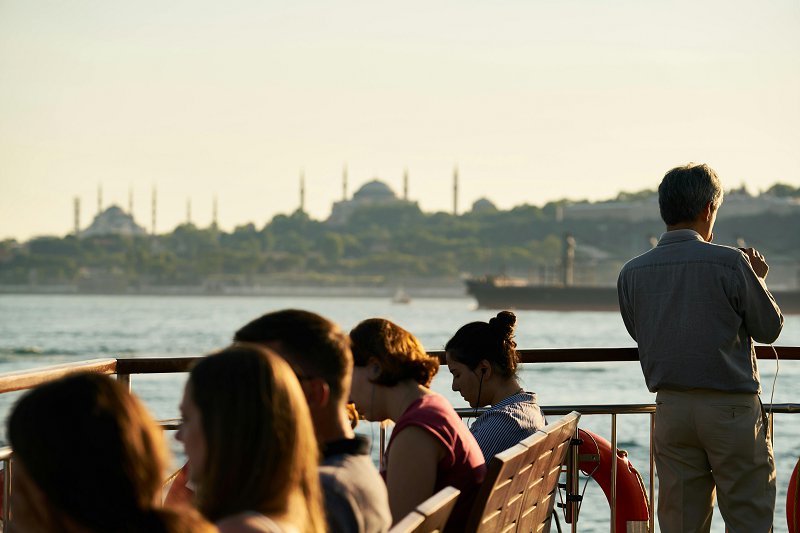
Yedikule, Topkapı and Edirnekapı
Istanbul is a magical city that holds thousands of years of history in every corner. Particularly, the neighborhoods within the city walls showcase the grandeur of Byzantium alongside the splendor of the Ottomans. Yedikule, Topkapı, and Edirnekapı are just a few of these districts. These places are not merely piles of stone—they are silent witnesses whispering the stories of emperors, sultans, prisoners, and ordinary people.
Yedikule: A Melancholic Fortress and Lost Treasures
Yedikule Fortress is one of Istanbul’s most impressive structures. Known as the Golden Gate (Porta Aurea) during Byzantine times, this majestic entrance was where triumphant emperors entered the city. During the Ottoman era, additional towers were built, turning it into a treasury vault and later a prison.
The walls of this fortress witnessed the tragic final moments of Sultan Osman II (Genç Osman). After being deposed by the Janissaries, the young sultan was imprisoned here and executed. Legend has it that the severed heads of the executed were thrown into the sea through a water channel—a dark chapter of Ottoman history that adds to Yedikule’s mystique.
Today, the fortress serves as an open-air museum. Walking through its gates, especially at sunset when the light bathes the ancient walls, feels like stepping back in time.
From Samatya to Topkapı: Churches, Taverns, and a Fading Istanbul
On the way from Yedikule to Samatya, you’ll encounter ancient structures like the St. Studios Monastery, one of Istanbul’s oldest Christian sanctuaries, dating back to the 5th century. Its mosaics and columns still retain their former glory.
Samatya is also home to historic spots like Safa Restaurant, a 130-year-old tavern preserving the flavors of old Istanbul. With its fresh fish, raki, and nostalgic ambiance, it’s one of the last remnants of the city’s Ottoman-era meyhane (tavern) culture.
Topkapı, named after the great cannons of the Ottoman era, is one of the city’s most vibrant districts. Amid the honking minibuses, bustling bazaars, and street vendors’ calls, you can glimpse the real face of Istanbul.
Edirnekapı and Sulukule: The Vanishing World of the Roma People
Edirnekapı was one of the gates where Mehmed the Conqueror’s armies entered the city. The Mihrimah Sultan Mosque, one of Mimar Sinan’s most elegant works, stands here, complementing the district’s historic texture.
But the most intriguing story belongs to Sulukule, a neighborhood that had been home to the Roma people for centuries. Known for its vibrant music, dance, and colorful lifestyle, Sulukule was a cultural hub. However, urban transformation projects have drastically altered its character. While the Roma community struggles to preserve their traditions, the rising modern buildings slowly erase the traces of this historic quarter.
The walls of Yedikule, the lively streets of Topkapı, and the quiet alleys of Edirnekapı carry Istanbul’s millennia-old memory. These neighborhoods are not just stone structures—they are living history books filled with human stories.
If you ever find yourself wandering through these districts, listen not only to the buildings but also to the tales they tell. Because only then can Istanbul truly be understood.
Last Modification : 10/17/2026 4:37:25 AM