Spice Bazaar
Standing proudly beside the Yeni Cami (New Mosque) in Eminönü, Mısır Çarşısı (The Egyptian Bazaar) is not just a marketplace—it is a living museum of Istanbul’s mercantile past, a symphony of colors and scents, and a testament to the city’s enduring love affair with trade. Built in the 17th century, this grand bazaar has been the beating heart of Istanbul’s spice trade for over 350 years, drawing merchants, travelers, and sultans alike into its aromatic embrace.
The Birth of a Legend: From Ottoman Grandeur to Modern Icon
Commissioned by Turhan Sultan, the powerful mother of Sultan Mehmed IV, Mısır Çarşısı was constructed between 1660 and 1664 as part of the New Mosque complex. Its original purpose? To fund the mosque’s operations through rent collected from merchants.
- Why "Egyptian" Bazaar? The name comes from the spices and goods imported from Egypt—particularly pepper, saffron, and medicinal herbs—that once dominated its stalls.
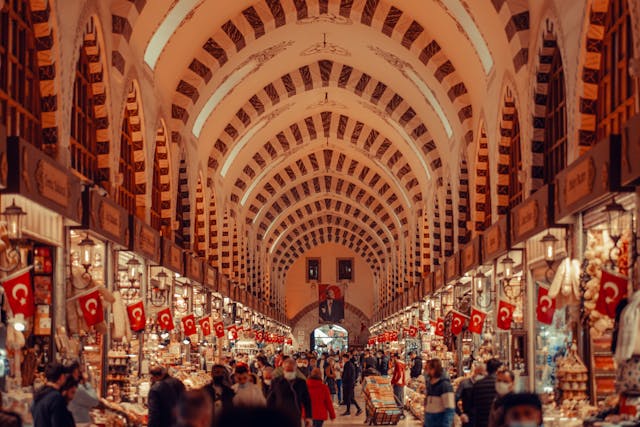
- Architectural Marvel: Designed in an L-shape with six majestic gates, the bazaar’s vaulted ceilings and domed roofs reflect classical Ottoman architecture. The upper floors once housed trade courts, where disputes between merchants were settled under the watchful eye of the empire.
Inside the Bazaar: A Feast for the Senses
Step inside, and you are immediately enveloped by an intoxicating blend of cumin, sumac, cinnamon, and dried rose petals. The air hums with the chatter of haggling vendors, the clinking of copperware, and the laughter of tourists sampling Turkish delight (lokum).
What to Buy?
- Spices & Herbs – From Aleppo pepper to saffron, this is the best place in Istanbul to stock up on rare spices.
- Turkish Delight & Baklava – Hafız Mustafa and Kosker are legendary for their pistachio-filled delights.
- Cured Meats & Cheeses – Pastırma (spiced dried beef) and sucuk (garlic sausage) are must-tries.
- Traditional Remedies – Herbal teas, natural soaps, and even leeches (still used in folk medicine!) can be found here.
- Handicrafts – Copper coffee sets, mosaic lamps, and hand-painted ceramics make perfect souvenirs.
Beyond the Bazaar: Hidden Gems Nearby
- Pandeli Restaurant – A century-old eatery above the bazaar’s entrance, once frequented by Mustafa Kemal Atatürk. Try their lamb stew with eggplant.
- Hamdi Restaurant – Famous for its kebabs with a Golden Horn view, a favorite among locals and tourists.
- Çiçek Pazarı (Flower Market) – A riot of colors selling seeds, plants, and even songbirds in ornate cages.
- Tahtakale – The wholesale district behind the bazaar, where you can find everything from textiles to electronics at bargain prices.
Visiting Tips: How to Experience Spice bazaar Like a Local
- Best Time to Visit: Early morning (before crowds) or late afternoon (for golden-hour photos).
- Bargaining? Acceptable in smaller shops—politely negotiate for a 10-20% discount.
- Avoid Tourist Traps: Some shops inflate prices; compare before buying.
- How to Get There: Tram (T1 line to Eminönü) or ferry from Karaköy.
A Bazaar That Never Sleeps—Yet Fights to Preserve Its Soul
While modern commerce has crept in—designer knockoffs and mass-produced souvenirs now sit beside traditional wares—the spirit of Mısır Çarşısı endures. It remains a place where **Ottoman history, Middle Eastern trade, and Istanbul’s vibrant street life collide.
For those who listen closely, the bazaar whispers stories of caravans from the Silk Road, sultans inspecting their goods, and merchants bartering over precious spices. It is more than a market—it is Istanbul’s living memory.
** Why You Must Visit**
If the Grand Bazaar is Istanbul’s golden crown, then Mısır Çarşısı is its beating heart. Come for the spices, stay for the history, and leave with a bag full of flavors, scents, and stories that will linger long after your visit.
Ready to explore? The gates of Mısır Çarşısı are open—will you step inside?
Last Modification : 10/17/2026 4:01:02 AM