Avenida İstiklal
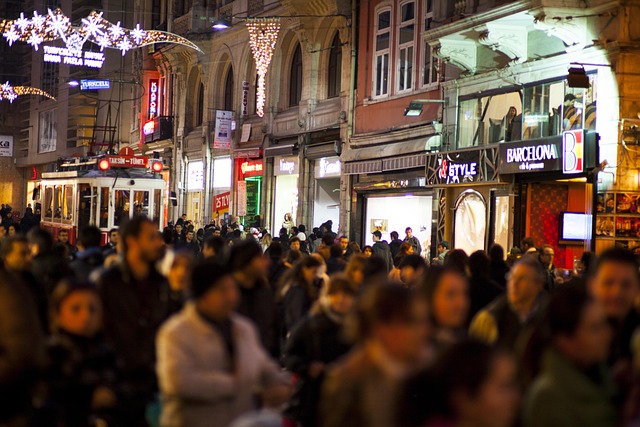
Cuando se piensa en Estambul, una de las primeras imágenes que viene a la mente es la Avenida İstiklal. Mucho más que una simple calle, es la encarnación del alma, la historia, la estructura cosmopolita y la energía inagotable de la ciudad. El punto de partida de esta vibrante historia está marcado por su medio de transporte más antiguo, el Histórico Tünel. Esta calle peatonal de aproximadamente 1,4 kilómetros, que se extiende desde el Tünel hasta la Plaza Taksim, continúa recibiendo a cientos de miles de personas cada día, manteniéndose como una de las arterias más concurridas y animadas del mundo. Un Viaje Histórico: Una Calle Nacida del Tünel La historia moderna de la Avenida İstiklal comienza con la construcción del Tünel en 1875, el segundo sistema de transporte subterráneo más antiguo del mundo. En aquella época, la calle, entonces conocida como "Grand Rue de Péra" (La Gran Calle de Pera), se convirtió en el centro de la modernización, la vida al estilo occidental y la diplomacia, junto con el distrito de Beyoğlu. La construcción del Tünel aumentó significativamente la importancia de la calle al conectar los bancos y centros comerciales de Galata con las embajadas y residencias de lujo de Pera. La Avenida İstiklal se convirtió literalmente en un corredor de civilización que comenzaba en el Tünel y se abría hacia arriba. Los magníficos edificios de embajadas, hoteles de lujo, pasajes e iglesias construidos a lo largo de la calle eran símbolos de esta transformación, ascendiendo desde el Tünel. Tras la proclamación de la República, la calle recibió el nombre de "İstiklal" (Independencia) y se convirtió en uno de los escenarios principales del proceso de modernización de Turquía. A lo largo del siglo XX, con sus cines, teatros, librerías y cafés, mantuvo el pulso de la vida intelectual y cultural. Su peatonalización en la década de 1990 llevó la actividad de la calle a su punto máximo y fue uno de los pasos más importantes para convertirla en lo que es hoy. Un Centro de Diplomacia: Consulados y Palacios Privados En el siglo XIX, muchos países construyeron edificios consulares y magníficos palacios en y alrededor de la Avenida İstiklal. Los edificios consulares de países como Rusia, Suecia, los Países Bajos, el Reino Unido y Francia dieron forma a la identidad internacional de la avenida. Edificios como el Consulado de Rusia y el Consulado General de los Países Bajos son obras particularmente importantes que reflejan el estilo arquitectónico de la época. Además, grandes complejos de embajadas como el Palacio Francés (Palais de France) sirvieron no solo como representaciones diplomáticas, sino también como importantes centros de vida cultural y social. Un Ritual de Elegancia del Pasado: La Tradición de Estilo de İstiklal A mediados del siglo XX, la Avenida İstiklal no era solo un espacio físico, sino también un conjunto de rituales sociales. Salir a la avenida, especialmente para quienes se dirigían a los cines, teatros y clubes, era casi una ceremonia. Cualquiera que deseara unirse al mundo reluciente de İstiklal tenía que usar ropa elegante cuidadosamente preparada. Los hombres paseaban por la avenida con trajes, corbatas y sombreros fedora; las mujeres con sus vestidos, guantes y sombreros más elegantes, desfilando de una manera digna de este magnífico bulevar. El Corazón del Cine Turco: Yeşilçam y Nombres Legendarios La Avenida İstiklal es una parte inseparable de nuestra historia cinematográfica a través de la Calle Yeşilçam, donde nació y se desarrolló el cine turco. A partir de la década de 1950, esta área se convirtió en el centro de la industria cinematográfica turca, con productoras, empresas distribuidoras y cines concentrados en y alrededor de esta calle. Las calles que conectan con la Avenida İstiklal han recibido el nombre de figuras legendarias del cine turco para honrar este legado. Nombres como la Calle Sadri Alışık y la Calle Ayhan Işık mantienen viva la memoria de artistas legendarios como Ayhan Işık, apodado "El Sultán de Yeşilçam", y Sadri Alışık, quien dejó su marca en el cine turco con películas de comedia inolvidables. Un Punto de Encuentro entre las Compras Modernas y las Tradiciones Ancestrales La Avenida İstiklal es un lugar único que reúne la cultura de compras moderna y las tradiciones ancestrales bajo un mismo techo. Mientras que marcas globales como Adidas, Nike, H&M y Zara le dan un aire internacional a la avenida, una marca turca arraigada como Hacı Bekir Lokumcusu (Tienda de Lokum) con sus 250 años de historia continúa sirviendo a generaciones con sus sabores tradicionales. En funcionamiento desde 1777, Hacı Bekir no es solo una dulcería, sino también un testigo vivo de la historia gastronómica de Estambul. Este contraste refleja el carácter multifacético de la Avenida İstiklal, que tanto se mantiene al día con el mundo moderno como preserva su pasado. Un Paraíso Gourmet: Un Viaje Culinario por la Cocina Turca La Avenida İstiklal y sus alrededores son un paraíso gourmet donde se pueden experimentar los mejores ejemplos de la cocina turca. Es posible realizar un tour gastronómico gourmet donde se pueden probar muchos sabores diferentes de la cocina turca, que van desde platos turcos tradicionales hasta sabores inolvidables de Anatolia, desde la cultura auténtica de la meyhane (taberna) hasta interpretaciones contemporáneas. Los restaurantes históricos, cafés boutique y lugares de sabores tradicionales a lo largo de la avenida ofrecen a los visitantes una experiencia gastronómica inolvidable. El Corazón de la Vida Nocturna: Bares en la Azotea y Clubes Nocturnos La Avenida İstiklal posee una energía que nunca duerme, tanto de noche como durante el día. Si te gusta la vida nocturna, puedes divertirte hasta altas horas de la madrugada en los bares en la azotea o clubes nocturnos alrededor de la Avenida İstiklal. Los bares en la azotea de edificios históricos ofrecen la oportunidad de saborear una copa con el fondo de un magnífico panorama de Estambul, mientras que los clubes nocturnos alrededor de Asmalımescit y sus alrededores prometen entretenimiento hasta el amanecer con música en vivo y actuaciones de DJ. Arquitectura y un Punto de Encuentro de Creencias: Un Museo al Aire Libre La Avenida İstiklal es como un museo al aire libre de arquitectura. Los edificios históricos que bordean ambos lados desde la Plaza del Tünel, mayormente en los estilos del Primer Movimiento Arquitectónico Nacional y Art Nouveau, llevan el esplendor del pasado al presente. Entre estos edificios, destacan las estructuras que reflejan la diversidad religiosa y educativa de la avenida:
- Liceo de Galatasaray: Fundado en 1481 como Galata Sarayı Enderun-u Hümayunu y que tomó su nombre actual en 1868, esta institución educativa arraigada se encuentra en el mismo corazón de la Avenida İstiklal.
- Iglesia Católica de San Antonio de Padua: La iglesia católica más grande de Estambul, esta basílica fue construida en 1912.
- Iglesia Católica Latina de Santa Maria Draperis: Con una ubicación cerca del Tünel y una historia incluso más antigua que la de San Antonio, esta iglesia ha estado sirviendo en el mismo lugar desde 1789.
- Iglesia Ortodoxa Griega de Santa Triada (Aya Triada): Una de las iglesias ortodoxas más magníficas de la avenida, esta estructura fue construida en 1880.
- Iglesia Anglicana de Crimea (Crimean Memorial Church): Oficialmente llamada Christ Church, esta iglesia fue construida en 1868 en memoria de los soldados británicos que perdieron la vida en la Guerra de Crimea. Pasajes Históricos y el Museo del Cine: Los Tesoros Ocultos de İstiklal Uno de los aspectos más fascinantes de la Avenida İstiklal son los pasajes históricos que se abren a ella:
- Pasaje de Siria (Suriye Pasajı): Construido en 1908, este pasaje recibe su nombre de los comerciantes sirios de la época.
- Pasaje de Rumelia (Rumeli Pasajı): Inaugurado en 1914, este pasaje lleva el nombre de las tierras de Rumelia.
- Pasaje de Europa (Avrupa Pasajı): Construido en 1874, este es uno de los pasajes más antiguos de İstiklal.
- Museo del Cine (Cine Emek): Destacando la importancia de la Avenida İstiklal en la historia del cine, el Museo del Cine muestra el rico patrimonio de la historia cinematográfica turca. El Corazón de la Cultura, el Arte y el Entretenimiento İstiklal es un refugio no solo para las compras, sino también para la cultura y el arte. Cines históricos como Atlas, Emek y Beyoğlu, los escenarios de los Teatros Municipales de Estambul, el Museo Pera en el Edificio Mısır y numerosas galerías de arte atraen a los amantes del arte. El Tranvía Nostálgico: Un Símbolo que Viene del Tünel El símbolo indispensable de la Avenida İstiklal es el tranvía nostálgico, reintroducido en servicio en 1990. Sonando su campanilla mientras viaja entre el Tünel y Taksim, justo por el corazón de la avenida, este tranvía rojo y blanco no es solo un medio de transporte, sino también un símbolo del alma de la calle, su respeto por el pasado y el viaje que comienza en el Tünel. Las multitudes que siguen su camino crean las fotografías más icónicas de İstiklal.
La Avenida İstiklal es uno de los mejores lugares que refleja la identidad multifacética de Estambul. Desde edificios consulares hasta leyendas del cine, desde iglesias históricas hasta galerías de arte modernas, desde marcas globales hasta sabores arraigados como el de Hacı Bekir de 250 años, desde tours gourmet hasta una vibrante vida nocturna: esta riqueza ha transformado la avenida en un museo al aire libre. Para cualquiera que quiera entender Estambul, salir del Tünel y perderse en la Avenida İstiklal es, de hecho, encontrar el mismísimo corazón de la ciudad.
Son Güncellenme : 31/8/2026 11:05:30