Hippodrome of Constantinople and Its Surroundings
The Heart of Istanbul: Hippodrome of Constantinople and Its Surroundings
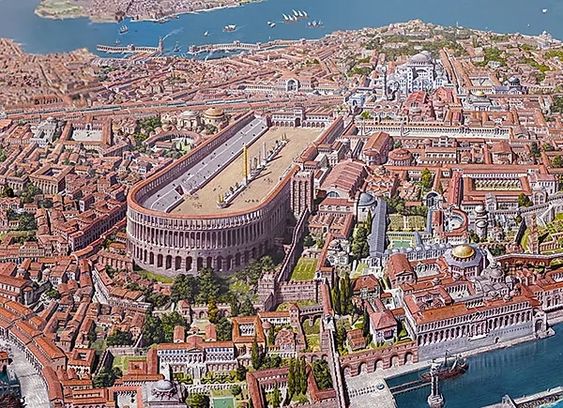
Located in Istanbul’s historic peninsula, Sultanahmet Square has hosted various civilizations over the centuries, making it an open-air museum of sorts. Known as the Hippodrome of Constantinople during the Byzantine era and At Meydanı (Horse Square) in Ottoman times, this area played a crucial role in the city’s social, political, and cultural life.
The Hippodrome of Constantinople: From Bloody Revolts to Grand Celebrations
The Nika Revolt (532): A Dark Chapter in the Hippodrome of Constantinople's History
One of the bloodiest events in Byzantine history, the Nika Revolt, took place here in 532. The uprising against Emperor Justinian I quickly escalated, setting much of the city ablaze. To suppress the rebellion, the people were lured into the Hippodrome of Constantinople, where General Belisarius’ troops, under the emperor’s orders, surrounded and massacred over 30,000 people. This event remains one of the darkest pages in Byzantine history.
Festive Celebrations in the Ottoman Era
During the Ottoman period, the Hippodrome of Constantinople transformed from a site of bloody revolts into a venue for magnificent celebrations. The circumcision ceremonies of princes were held here with great pomp. The most famous was the 52-day, 52-night festival for Şehzade Mehmed, son of Murad III, which went down in history as one of the grandest celebrations. These events featured public feasts, acrobatic performances, and poetry recitals.
The Hippodrome of Constantinople's Mysterious Monuments
1. The Obelisk (Dikilitaş)
The most striking monument in the Hippodrome of Constantinople, the Obelisk, was originally brought from Egypt. Dating back to the reign of Pharaoh Thutmose III, it was erected in Istanbul in 390 AD by Byzantine Emperor Theodosius.
2. The Serpent Column (Yılanlı Sütun)
This bronze column was brought from the Temple of Apollo at Delphi in ancient Greece. Originally featuring three intertwined serpent heads, it has been damaged over time.
3. The Walled Obelisk (Örme Sütun)
Standing 32 meters tall, this stone column was used during the Ottoman era for acrobatic performances, where entertainers would climb it to showcase their skills.
Other Historic Landmarks Nearby
The German Fountain
Located at the entrance of Sultanahmet Square, this fountain was gifted in 1898 by German Emperor Wilhelm II as a symbol of Ottoman-German friendship.
Museum of Turkish and Islamic Arts (Ibrahim Pasha Palace)
Built by Pargalı Ibrahim Pasha, this palace is notable for being the only palace constructed by someone outside the Ottoman dynasty. Ibrahim Pasha, married to Suleiman the Magnificent’s sister, held immense power in the empire.
Hagia Sophia Experience Museum
Originally the old land registry building, this structure was recently converted into a modern museum chronicling Hagia Sophia’s 1,500-year history through interactive and digital displays.
A Journey Through History
The Hippodrome of Constantinople has witnessed everything from bloody revolts to lavish celebrations. Even today, as you walk through Sultanahmet Square, you can almost hear the echoes of its dramatic past.
*
Last Modification : 10/17/2026 4:02:08 AM