The stones of Istanbul speak. But some streets do more than speak—they narrate, beckon, and remember. The path from Unkapanı to Zeyrek leaves traces not only on the palate but also in the mind. It stretches from Roman aqueducts to Ottoman bathhouses, from Byzantine cisterns to Siirt’s büryan kebab, from Black Sea-style pide to Vefa’s nostalgic boza, and even to the story of a Hungarian pasha who gave Istanbul its modern fire brigade.
Unkapanı: A Memory of Measurement, Provision, and Taste
Unkapanı takes its name from the Ottoman trade system. The word kapan in Ottoman Turkish means “scale,” but it also referred to centralized depots where goods were weighed, inspected, and distributed. Unkapanı was the heart of flour trade. Wheat arriving from Anatolia was milled, measured, and sent to Istanbul’s bakeries from here.
Just like Unkapanı, the area around the Egyptian Bazaar hosted other depots: Bal Kapanı (for honey), Yağ Kapanı (for oil), and Pirinç Kapanı (for rice). Each was a gateway for a specific product entering the city. These kapan depots weren’t just economic hubs—they were cultural regulators, shaping the city’s cuisine, rhythm, and memory.
Today, walking through Unkapanı, you can still sense the scent of wheat embedded in the stones. And if you follow that scent, another flavor awaits: Black Sea-style pide. Whether filled with ground meat, cheese, or egg, these oven-baked flatbreads offer a warm taste of the region. You shouldn’t leave Unkapanı without trying one.
And while you’re here, don’t miss one of Istanbul’s most nostalgic drinks: Vefa Boza. Slightly sour, thick in texture, and served with cinnamon, this fermented wheat drink is a winter ritual passed down from the Ottomans. Just a few steps away in Vefa, you’ll find both the taste and the history of boza.
The Call of Büryan and the Women’s Market
Arriving in Zeyrek, you’re greeted by the vibrancy of the Women’s Market (Kadınlar Pazarı). Southeastern Anatolia’s cuisine meets Istanbul here. Herbal cheeses, dried vegetables, pomegranate molasses… and of course, büryan kebab. Along İtfaiye Street, shops begin roasting meat in stone ovens early in the morning. Büryan is more than a dish—it’s a migration story. It carries the flavors of Siirt’s mountains into the stones of Istanbul.
Zeyrek Mosque: The Silence of Pantokrator
After your meal, your steps lead you to Zeyrek Mosque, once the grand Pantokrator Monastery of Byzantium. Built in the 12th century by Empress Eirene, wife of Emperor John II Komnenos, this complex originally consisted of three churches. Architecturally and historically, it’s the largest Byzantine structure in Istanbul after Hagia Sophia. Inside, you can almost hear the silent prayers whispered by the stones.
Zeyrek Cistern: Time Beneath the Water
Just beneath Zeyrek Mosque lies one of Istanbul’s largest underground water reservoirs: the Zeyrek Cistern. Restored and opened to the public in 2022, this massive structure is a masterpiece of Byzantine hydraulic engineering. Supported by 24 columns, it offers both functionality and aesthetic depth. Inside, the echo of water merges with the echo of time.
🛁 Çinili Hamam and the Fire Brigade Museum: Steam and Flame in Memory
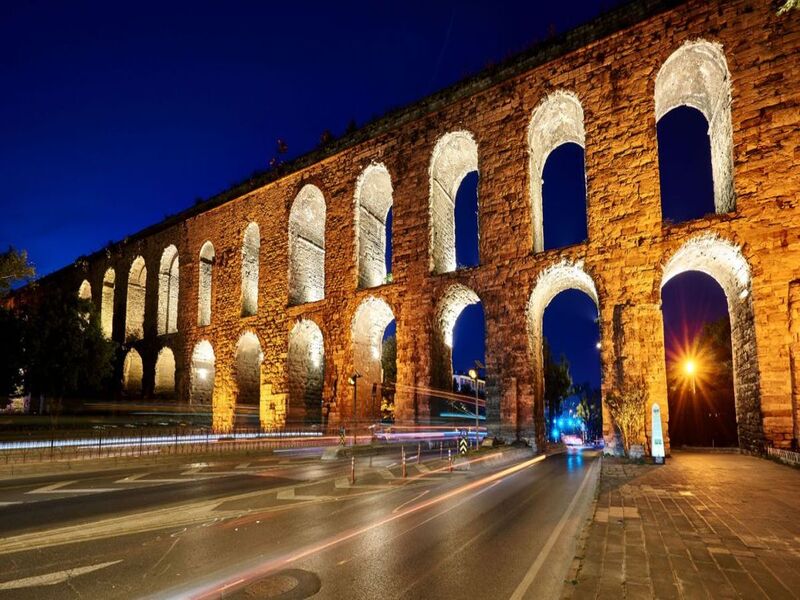
The Çinili Hamam of Zeyrek, dating back to the 16th century, is an Ottoman bathhouse restored with exquisite tiles. Passing through its steam, you touch the daily rituals of the empire. Its silence blends with the grandeur of the Bozdoğan Aqueduct, and the city becomes both Roman and Ottoman at once.
Then, as you walk down İtfaiye Street, another story emerges: the founding of Istanbul’s Fire Brigade. Its architect was a Hungarian-born Ottoman pasha: Ödön Széchenyi. Invited by Sultan Abdülaziz in 1871, Széchenyi studied European firefighting systems and established Istanbul’s first professional fire brigade. Thanks to him, the city transitioned from volunteer bucket brigades to trained firemen. Today, the Fire Brigade Museum in Beşiktaş preserves this legacy—with old helmets, pumps, and fire carts, all echoing Széchenyi’s vision.
Walking from Unkapanı to Zeyrek is not merely a stroll through a neighborhood. It’s a journey into history, scented with büryan, layered with stone, steam, and memory. This quiet corner of Istanbul leaves its mark on both the palate and the soul. Roman water, Byzantine architecture, Ottoman rituals, Black Sea bread, Siirt meat, and the fire-fighting legacy of a Hungarian pasha—all converge in Zeyrek. And each step, like a kapan, weighs the past, stores the present, and delivers it to the future.