
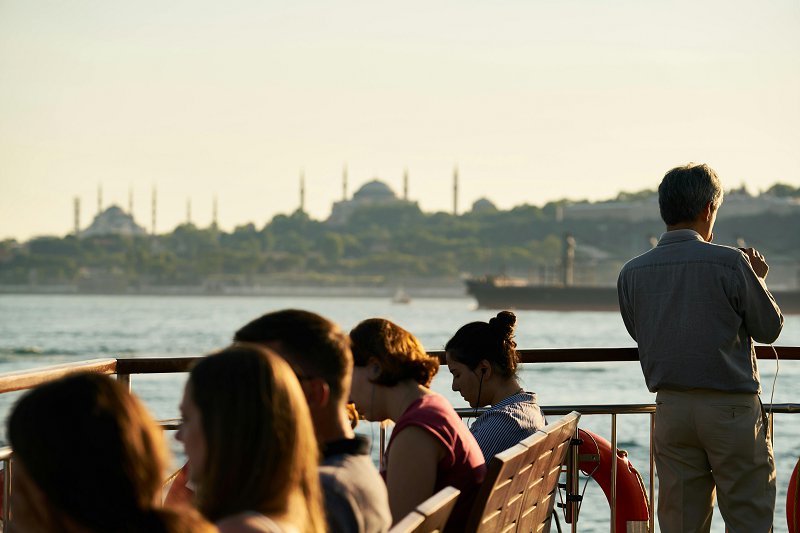
Beşiktaş
Located on the European shore of the Bosphorus, where historical texture and modern life intertwine, Beşiktaş is one of Istanbul's most vibrant and colorful districts. It is not merely a neighborhood but also a significant center where Istanbul's heart beats, with its deep historical roots, cultural richness, and social fabric. There are two main interesting stories about the origin of the district's name. Recent archaeological discoveries have revealed that this deep-rooted past dates back much further than previously thought, to thousands of years ago.
Prehistory and Archaeological Findings
Important discoveries that profoundly affected the known history of Beşiktaş were made during archaeological excavations at the Beşiktaş Metro Station construction site. These excavations proved that the district's history extends not only to the Byzantine and Ottoman periods but also to much earlier phases of human history.
- Chalcolithic (Copper Stone) Age Finds: During the excavations, fired clay pottery fragments dating back to the Chalcolithic Age, between 4500 and 5000 BC, were found. These findings indicate the presence of settled communities engaged in agriculture and animal husbandry on the shores of the Istanbul Bosphorus.
- Early Bronze Age Kurgan Burials: Even more striking was the identification of 46 kurgan-type graves in the same area, dating to approximately 3500-3000 BC, the Early Bronze Age. These tumulus-type graves point to a burial tradition characteristic of steppe cultures and are concrete evidence of interaction between Anatolia and the cultures north of the Black Sea in prehistoric Istanbul. This discovery made Beşiktaş one of Istanbul's oldest known burial grounds. These archaeological data push Beşiktaş's history back thousands of years, beyond the Byzantine "holy cradle" legend, and show that the region has been an important settlement area in every period.
Etymology and Origin Stories
Religious Origin Story: One of the most well-known stories about the origin of the name Beşiktaş involves the holy relics brought from Jerusalem to Istanbul by Helena, mother of Byzantine Emperor Constantine I. According to legend, a holy cradle (or stone cradle) believed to have been used at the birth of Jesus Christ was placed by Helena in a church located in Beşiktaş. Later, this holy cradle was moved to Hagia Sophia and displayed in front of the Imperial Lodge. It is thought that the name "Beşiktaş" (Cradle Stone) derives from this "holy cradle stone." Nautical Origin Story: Another popular theory suggests that during the Ottoman period, the area was an important maritime center, and ships in the harbor used five large stones on the shore ("beş taş" meaning "five stones") to tie their ropes. Over time, the area known as "Beştaş" transformed into "Beşiktaş" in local parlance. This story also highlights the district's historical connection to seafaring.
Historical Heritage and Beşiktaş in the Ottoman Period
Beşiktaş's history extends back to the Byzantion period. During the Ottoman Empire, it became one of the favorite spots of the sultans. An interesting historical detail is that in the Ottoman era, Beşiktaş was an important harbor and base, especially for Ottoman sailors and corsairs under the leadership of Barbaros Hayreddin Pasha. Barbaros is not actually his real name but a nickname given to him by European sailors in the Mediterranean, derived from the Italian "Barbarossa," meaning "red beard." This legendary seafarer, famous for his red beard and fearless prowess at sea, entered history as Barbaros Hayreddin Pasha (his real name was Hızır Reis) and received the title "Kaptan-ı Derya" (Grand Admiral), consolidating Ottoman dominance in the Mediterranean. Beşiktaş was the strategic point where he and his levents anchored their ships and planned their campaigns. The Tomb of Barbaros Hayreddin Pasha is the most concrete example of this historical legacy. Located in Beşiktaş Square, overlooking the sea, the tomb was built by the architect Mimar Sinan for Barbaros Hayreddin Pasha, who died in 1546. The tomb is visited by sailors and Beşiktaş residents every year on April 4 during commemorative ceremonies. The Barbaros Monument beside it, erected in 1944, keeps the memory of the famous seafarer alive. Naval Museum and Maritime Collection: The most important institution showcasing Beşiktaş's maritime heritage is the Istanbul Naval Museum. Located near the tomb of Barbaros Hayreddin Pasha, this museum is Turkey's largest naval museum. The museum displays the legendary pennant (standard) believed to have belonged to Barbaros Hayreddin Pasha. The most striking feature of this pennant is the "Seal of Solomon" (Mühr-ü Süleyman) logo it bears, containing Islamic symbols and Ottoman coats of arms. This six-pointed star symbolized power and dominion in Ottoman naval tradition. The museum also exhibits a wide collection ranging from the elegant imperial caiques used by Ottoman sultans and state officials for transportation on the Bosphorus to models and original parts of the massive galleys used in great naval battles in the Mediterranean. This collection concretely demonstrates the historical role Beşiktaş played as a naval base. Among the district's other symbolic structures, Dolmabahçe Palace is one of the most magnificent examples of 19th-century Ottoman architecture. Completed in 1856, the palace bears traces of both Ottoman splendor and the Westernization process. The Yıldız Palace complex adds a distinct beauty to the district with its structure nestled within greenery. The historic Sinan Pasha Mosque in Beşiktaş Market, another work by Mimar Sinan, marks the district's silhouette.
Cultural and Social Life
Beşiktaş is one of Istanbul's districts with the most dynamic social life. Barbaros Boulevard (named after the "Red-Bearded" Barbaros Hayreddin Pasha), the Akaretler Row Houses, and the Ortaköy shoreline maintain their liveliness at all hours of the day. The heart of the district beats in Beşiktaş Market and Beşiktaş Square. This is a lively center that brings together people from all walks of life, from traditional artisan shops to modern stores, from coffeehouses to famous fish bread vendors. The square is also the center of youthful energy. From late afternoon until late at night, skateboarders gathering around the Beşiktaş Eagle Statue and in the open areas of the square add a modern dynamism and color to the square with their maneuvers. One of the square's most iconic symbols, this powerful figure of the Black Eagle with wings spread, has become a symbol not only of the football club but of the entire district. Cultural and artistic life is nurtured by institutions like the Beşiktaş Cultural Center (BKM). BKM contributes to the district's intellectual fabric by hosting theatre plays, concerts, and exhibitions. Food venues are an indispensable part of Beşiktaş. Karadeniz Döner in the market, with the long queues that form in front of it, is one of Istanbul's most famous and beloved doner kebab shops. Additionally, the original restaurant operated by the family who invented the world-famous İskender Kebab is also located in Beşiktaş. The once-favorite breakfast spot Kaymakçı Pando, though now closed, still holds a place in memories. The 7-8 Hasan Pasha Historical Bakery is one of the district's most established and beloved food stops. Serving for decades, this historic bakery, with its freshly baked bread smelling wonderful, pitas, and traditional baked goods, is a frequent stop for both locals and customers coming from all over Beşiktaş.
Sports and Beşiktaş Gymnastics Club
One of the most important elements that come to mind with Beşiktaş is undoubtedly the Beşiktaş Gymnastics Club. Founded in 1903, the club is one of Turkey's most deep-rooted sports organizations. Vodafone Park (formerly Beşiktaş Park) is not just a stadium but also a modern living space that hosts the district's social and cultural events. It is rumored that the club's black-and-white colors were inspired by the standard of Barbaros Hayreddin Pasha.
Architectural Texture and Urban Development
Beşiktaş houses historical mansions, waterside residences (yalıs), and modern residences together. The row houses in Akaretler are important examples of late-period Ottoman civil architecture. Although the district's silhouette has changed in recent years with urban transformation projects, efforts to preserve the historical fabric continue. The area where the Tomb of Barbaros Hayreddin Pasha is located and the Naval Museum complex constitute the finest examples of this historical preservation. The identification and protection of the archaeological site during the metro excavations is one of the newest and most important examples of these efforts.
Last Modification : 8/31/2026 1:41:44 PM