The Recaizade Mahmut Ekrem Mansion
The waters of the Istanbul Bosphorus have historically separated not only two continents but also different cultures, eras, and systems of thought. The waterfront mansions (yalıs) rising along this unique strait are not merely architectural works; they are also memory spaces that reflect the spirit, aesthetic understanding, and social life of a particular period. Among these structures, the Recaizade Mahmut Ekrem Mansion, located right at the entrance of İstinye Bay, holds a special significance not only for its wooden facade but also for the literary history echoing within its walls. Situated at the very heart of the literary transformation from the Tanzimat to the Servet-i Fünun era, this structure, justifiably bearing the title of "The Writers' Mansion," is a cultural treasure.
A Story of Transformation from Architecture to Literature
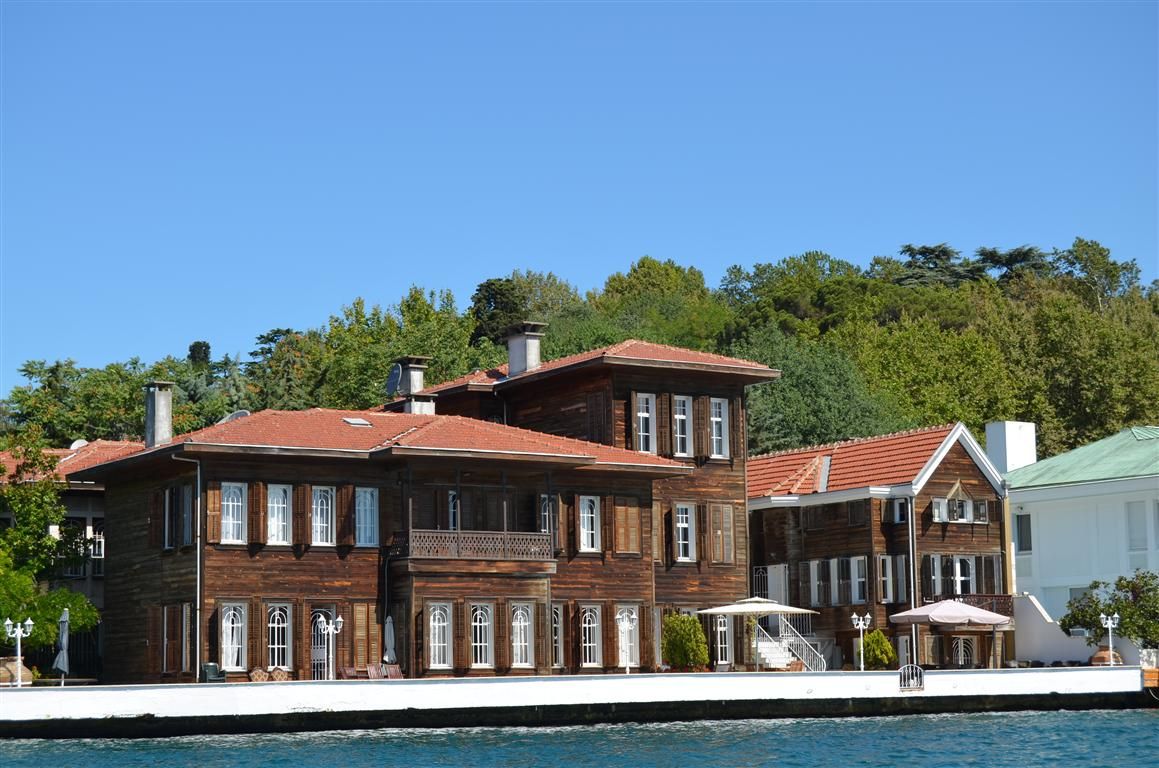
The story of the mansion begins in the last quarter of the 19th century in İstinye, one of the Bosphorus's most prestigious locations. This complex of three separate brown buildings was originally built by a Frenchman named Monsieur Pigeon, who worked at the Paşabahçe Glass Factory. The defining transformation of the structure, however, occurred when it was purchased for 600 gold pieces by Recaizade Mahmut Ekrem.
Recaizade Mahmut Ekrem (1847-1914) is one of the most influential figures of Ottoman literature during the Tanzimat period. Like his father, Recaizade Mehmet Şakir Efendi a bureaucrat, Ekrem also stood out as a poet, novelist, and critic. He is notably the author of Araba Sevdası (The Carriage Affair), considered the first example of a realist novel in Turkish literature. After purchasing this mansion, the author made aesthetic additions, transforming it into one of the most elegant structures on the Bosphorus. However, what truly immortalized him are the ideas that flourished within these very walls.
The "Writers' Mansion" and the Birth of Servet-i Fünun
For Turkish literary history, the Recaizade Mahmut Ekrem Mansion functioned as a "Literary Laboratory." Through the musical and literary gatherings he organized here, the author brought together the young and dynamic pens of his time. The mansion's private pier hosted discussions accompanied by the sound of Bosphorus waves.
Figures such as Tevfik Fikret, Cenap Şahabettin, and Halit Ziya Uşaklıgil—who would later become pioneers of the Servet-i Fünun (Wealth of Knowledge) literature—grew up as guests of this mansion and shaped their literary identities here. For this reason, the mansion was justly referred to as the "Writers' Mansion" in literary circles of the period. This space served as a stage witnessing the transition from the classical understanding of the Tanzimat to the individualistic and aesthetic orientations of Servet-i Fünun.
A Story of Exile During the Abdülhamid Era
Unfortunately, this glorious period of the mansion did not last long. The atmosphere of the reign of Sultan Abdülhamid II, marked by espionage and despotism, deeply affected artists as well. Baseless denunciations made against Recaizade Mahmut Ekrem not only sabotaged his greatest dream of becoming a Grand Vizier but also ruined his private life.
According to rumors, it was alleged that the author was secretly communicating from the mansion's pier with Khedive Abbas Hilmi Pasha in Çubuklu. Following these denunciations, although he was a healthy man, the Sultan diagnosed him with "rheumatism" and exiled him to Büyükada (the Princes' Islands), forcing him to sell his beloved mansion. After that date, the mansion successively passed through various owners, including Hacı Mahmut Efendi, Cemil Pasha, the Minister of Trade Kabuli Pasha, the Süleymangil family, and the Hancıoğlu family. In the 1970s, it was registered as a historic monument and placed under protection.
Architectural Character and Present Day
As a typical example of Ottoman civil architecture, the structure consists of three main sections: the Selamlık (men's quarters), Harem (family quarters), and Müştemilat (ancillary buildings). The two-story selamlık section at the southern end draws attention with its large balcony, while the three-story harem section in the middle extends towards the Bosphorus with its wide eaves. The 2.5-story müştemilat to the north completes the structural integrity.
After being neglected for many years, the mansion now stands right next to the İstinye Ferry Pier, a quiet bridge between the past and present. In modern Istanbul, squeezed under the shadow of concrete structures, such mansions endure as the last witnesses of the past.
Last Modification : 10/17/2026 5:08:32 AM