When the world thinks of pizza, Italy often takes center stage—but Turkey boasts its own extraordinary legacy of flatbread masterpieces that rival any classic pie. Far more than mere imitations, pide, lahmacun, etli ekmek, and kapalı pide are culinary treasures, each with deep cultural roots, unique preparation methods, and bold regional identities. This is not just food—it’s a story of Anatolian heritage, baked to perfection.
Ancient Origins, Timeless Taste
The history of Turkish flatbreads stretches back millennia, born from the stone ovens of ancient Anatolia. While Italian pizza shares distant kinship through Mediterranean flatbreads, Turkey’s versions evolved independently, shaped by local ingredients, traditions, and ingenuity. These dishes are not just meals—they are edible artifacts of Turkish culture.
Pide: The Iconic "Boat" of Turkish Cuisine
Pide, often dubbed "Turkish pizza," is instantly recognizable by its elongated, boat-like shape, designed to cradle generous toppings. But this is no mere aesthetic choice—the raised edges trap rich juices, ensuring every bite is a burst of flavor.
What sets pide apart?
- Dough with a twist: Enriched with yogurt for a tender, slightly tangy chew.
- Blistering heat: Baked in scorching wood-fired ovens for a crisp crust and pillowy interior.
- Toppings that tell a story: From kıymalı (spiced minced meat) to sucuklu (fiery Turkish sausage), each variation reflects regional tastes.
Kapalı Pide: The Hidden Gem
A specialty of Turkey’s Black Sea region, kapalı pide ("closed pide") is a sealed masterpiece, locking in succulent fillings like spiced lamb, molten cheese, or spinach. The enclosed baking method steams the ingredients, creating an irresistible juicy, flavor-packed interior that contrasts with the crisp outer shell.
Etli Ekmek: Konya’s Culinary Artistry
Hailing from Konya, etli ekmek ("meat bread") is Turkey’s answer to ultra-thin crust pizza—stretching up to a meter long, yet impossibly crisp. Topped with a whisper-thin layer of spiced lamb, tomatoes, and peppers, it’s a study in balance: crunchy, savory, and utterly addictive.
Lahmacun: The Crispy, Spicy Wonder
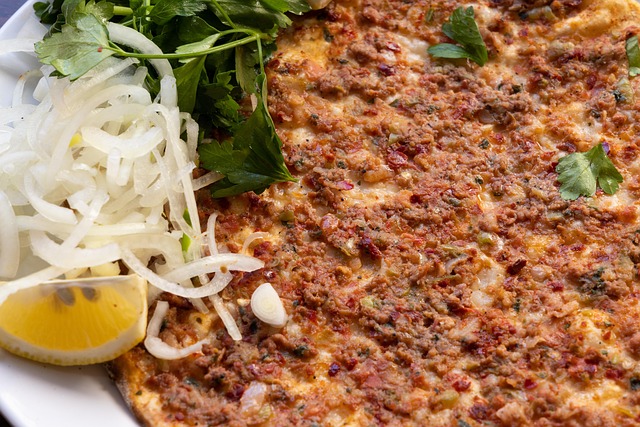
Don’t call it just a "Turkish pizza"—lahmacun is in a league of its own. This paper-thin, cracker-like flatbread is smeared with a spiced meat paste (traditionally lamb or beef), then baked until blisteringly crisp. Served with fresh herbs, lemon, and a squeeze of garlic yogurt, it’s meant to be rolled and devoured in seconds.
Regional Secrets & Global Influence
From the anchovy-laden pides of the Black Sea to the fiery lahmacun of the Southeast, each region puts its stamp on these dishes. Today, modern chefs are reinventing tradition—vegan lahmacun, gourmet pide with truffle oil, and fusion toppings—but the soul of Turkish pizza remains unchanged.
More Than a Meal—A Cultural Experience
In Turkey, eating pide or lahmacun isn’t just dining—it’s a social ritual. Pidecis (pide bakeries) buzz with life, where families gather and chefs craft each order before a roaring oven. The aroma of charred dough, sizzling meat, and fresh herbs is intoxicating—a sensory celebration of Turkish hospitality.
Bringing Turkish Pizza to Your Table
While nothing beats a wood-fired original, home cooks can recreate these delights with a pizza stone and a blazing-hot oven. The secret? Roll the dough thin, season boldly, and bake with passion.
A Global Phenomenon
As Turkish cuisine conquers the world, pide and lahmacun are leading the charge. From Berlin to Brooklyn, food lovers are discovering that Turkish pizza isn’t an alternative—it’s a revelation.
The Final Bite
Whether you’re tearing into a steaming boat of pide, crunching through crispy lahmacun, savoring Konya’s legendary etli ekmek, or uncovering the secrets of kapalı pide, one thing is clear: Turkish pizza is a culinary journey—one that demands to be tasted, shared, and celebrated.
Ready to take a bite of history? Your table awaits.