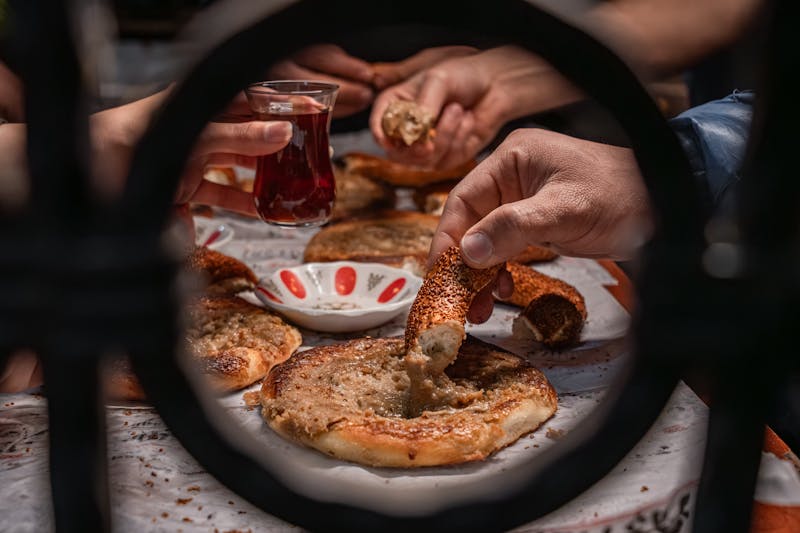
Turkish kebab
Turkish kebab is far more than a dish—it is a centuries-old tradition that embodies the essence of Turkish culture, craftsmanship, and hospitality. Rooted in history and perfected over generations, kebab has evolved from a simple method of cooking meat into a sophisticated culinary art form celebrated worldwide. *** ## A Journey Through History The origins of kebab trace back to the nomadic Turkic tribes of Central Asia, who roasted meat over open fires. As these tribes migrated into Anatolia, they adapted their techniques to local ingredients, laying the foundation for what would become a cornerstone of Turkish cuisine. The term "kebab" derives from the Arabic kabāb, meaning "to roast," but its culinary significance extends far beyond its linguistic roots. During the Ottoman Empire, kebab transformed into a refined dish, with palace chefs elevating it to new heights while street vendors kept it accessible to the masses. Today, kebab remains a unifying element of Turkish cuisine, bridging the past and present. *** ## Mastery in Preparation The art of making kebab demands precision, patience, and deep knowledge. The choice of meat—traditionally lamb, though beef, chicken, and fish are also used—is critical. The finest cuts, proper marination, and expert seasoning distinguish an exceptional kebab from an ordinary one. Marination is a science in itself, with regional variations featuring unique blends of spices, olive oil, garlic, and herbs. Some recipes call for hours of marination, while others require overnight resting to deepen the flavors. The mastery of a kebab chef, or usta, lies in balancing these elements to achieve perfect tenderness and taste. *** ## Regional Delicacies Turkey’s diverse landscapes and cultural influences have given rise to distinct regional kebab styles, each with its own story. Iskender Kebab, hailing from Bursa, is a masterpiece of layers—thinly sliced döner meat draped over pide bread, drizzled with rich tomato sauce and browned butter, and served with creamy yogurt. Named after its 19th-century creator, Iskender Efendi, this dish has become a global favorite. Adana Kebab, from the southern city of Adana, is a fiery delight made from hand-minced lamb blended with red pepper flakes. Grilled on wide skewers over charcoal, its intense flavor has earned it protected status, ensuring only certified chefs can prepare the authentic version. Urfa Kebab, a milder counterpart to Adana, highlights the natural richness of lamb with a blend of black pepper and onions. Named after Şanlıurfa, this kebab offers a more delicate yet equally satisfying taste. *** ## Time-Honored Cooking Techniques The preparation of kebab is as varied as its flavors, with each method requiring specialized skills. Şiş Kebab, perhaps the most internationally recognized, features marinated meat cubes skewered and grilled over charcoal. The challenge lies in achieving a crisp exterior while keeping the inside succulent. Döner Kebab, a revolutionary street food innovation, involves stacking seasoned meat on a vertical rotisserie. As it slowly turns, the outer layers crisp up while remaining juicy inside, ready to be shaved into thin, flavorful slices. Tandır Kebab, an ancient technique, uses a clay oven for slow roasting, often with whole lamb or large cuts. The result is exceptionally tender meat infused with smoky, earthy notes. *** ## More Than a Meal—A Cultural Experience Kebab is deeply woven into Turkish social life. From bustling street vendors to upscale restaurants, kebab houses serve as gathering spots where families and friends come together. The act of sharing a meal strengthens bonds and preserves traditions. Many kebab chefs inherit their craft from generations before them, guarding secret family recipes with pride. Esteemed establishments often bear decades—if not centuries—of legacy, their reputations built on unwavering dedication to quality. *** ## A Global Phenomenon While traditional kebab remains beloved in Turkey, modern chefs are reimagining it with creative twists—health-conscious versions, fusion dishes, and gourmet presentations. Beyond Turkey’s borders, kebab has inspired countless adaptations, from Germany’s döner to Middle Eastern shawarma. Yet, authentic Turkish kebab stands apart, defined by its meticulous preparation and respect for tradition. *** ## A Timeless Culinary Treasure Turkish kebab is more than food—it is a testament to history, craftsmanship, and cultural identity. From its nomadic origins to its place in today’s global cuisine, kebab continues to captivate with its rich flavors and timeless appeal. Whether enjoyed at a humble street stall or a fine dining establishment, each bite carries the legacy of a culinary tradition that has endured—and thrived—for centuries.
Last Modification : 10/17/2026 5:45:19 AM