The Art of Turkish Tiles, Ceramics, and Pottery
Turkey, a land that has hosted countless civilizations throughout history, captivates the world with its cultural richness. Among the most striking reflections of this heritage are the arts of tile-making, ceramics, and pottery. These crafts, shaped over centuries across Anatolia, are not only admired in architectural ornamentation but have also become highly sought-after tourist souvenirs. For visitors to Turkey, these handmade items serve as tangible memories—each piece a testament to the country’s history and aesthetic sensibility.
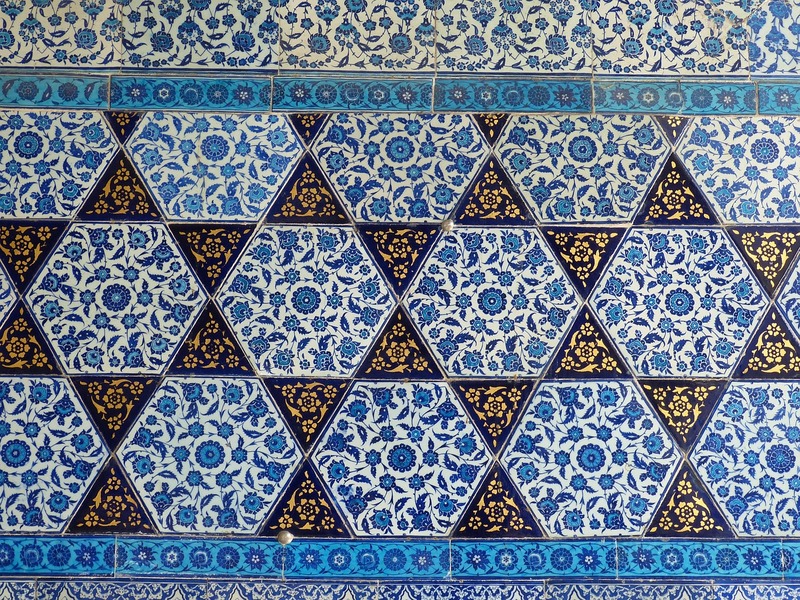
Tile art reached its peak during the Ottoman era, gaining a distinct identity in cities like İznik and Kütahya. İznik tiles, with their elegant patterns and vibrant colors, once adorned mosques, palaces, and tombs. Today, these motifs are adapted into decorative plates, wall hangings, and jewelry, appealing to tourists from around the world. Each tile is a unique creation, shaped by the hands of a master artisan. Unlike mass-produced goods, these pieces carry stories, making them especially meaningful to those who seek authenticity.
Ceramic art stands out for both its beauty and functionality. In Kütahya, ceramic vases, cups, and ornaments are crafted using traditional motifs, glazed, and fired at high temperatures for durability. These items are not only used in home décor but also serve as cultural ambassadors—representing Turkey’s artistic heritage in the suitcases of travelers. Ottoman-style coffee cups and miniature ceramic objects, in particular, are popular for their nostalgic charm and elegant design.
Pottery, on the other hand, thrives in rural Anatolia, especially in the town of Avanos in Cappadocia. The region’s red clay is shaped on traditional wheels, entirely by hand. Tourists often participate in workshops where they can mold their own pottery—transforming a simple souvenir into a personal experience and cherished memory. This kind of experiential tourism deepens the meaning of the gift and fosters a stronger cultural connection.
In Turkey, tiles, ceramics, and pottery are more than just visually appealing souvenirs—they are vessels of cultural storytelling. Every motif reflects a historical aesthetic; every color evokes the spirit of a region; every form embodies the labor and soul of an artisan. For tourists, these items are not merely decorative—they are intimate encounters with Turkey’s artistic legacy.
In conclusion, Turkey’s tile and ceramic arts hold immense value both economically and culturally as tourist souvenirs. Shaped by skilled hands, these products act as silent ambassadors of the nation’s rich heritage. Tourists don’t just take home beautiful objects—they carry with them a piece of Anatolia’s soul.
Last Modification : 10/16/2026 3:08:16 AM