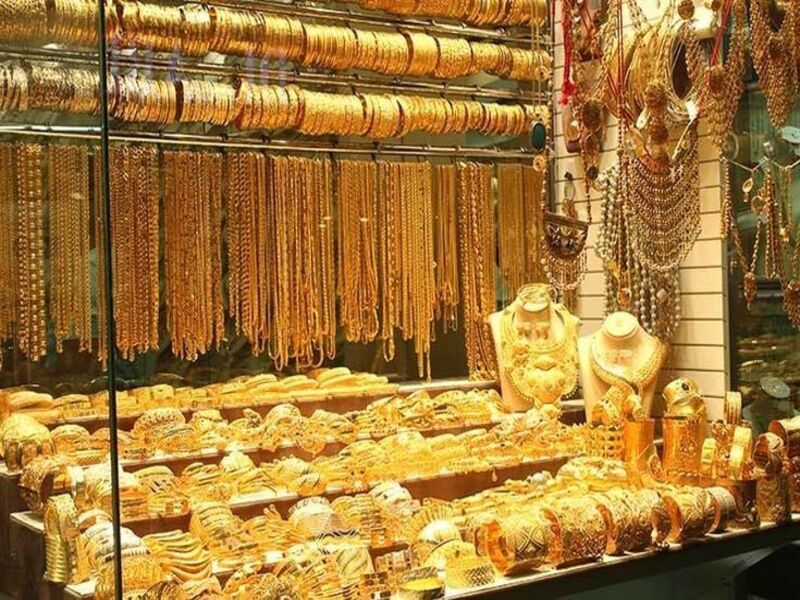
Jewelry making, one of the oldest crafts in human history, holds significant cultural and economic value in Turkey. Practiced across Anatolian lands for thousands of years, this art is not merely an aesthetic form of production but also a reflection of collective memory, tradition, and economic instinct. In Turkey, jewelry making stands out not only as a popular tourist commodity but also as a field rich in historical depth and cultural diversity.
Turkey’s jewelry tradition has been shaped along a historical continuum stretching from the Ottoman era to the present day. Throughout this process, Istanbul has emerged as the center of jewelry craftsmanship; historic marketplaces such as the Grand Bazaar have been filled with jewelry products that attract both locals and foreign visitors. As tourist souvenirs, jewelry items serve as both aesthetic and cultural mementos. Gold and silver pieces adorned with traditional motifs are elegant examples that reflect Anatolia’s history and artistic sensibility.
A special place in the development of this art belongs to the Armenian master jewelers living in Turkey. Especially during the Ottoman period, Armenian artisans trained in Istanbul’s Kumkapı and surrounding areas gained fame for their meticulous craftsmanship, a reputation that eventually reached international prominence. Today, it is possible to encounter designs bearing the mark of Turkish-Armenian masters in the world’s leading jewelry centers. These artisans are recognized not only for their technical skills but also for the elegance and originality of their designs.
Turkey’s richness in the field of jewelry is not limited to craftsmanship; it is also diversified by the country’s native gemstones. Onyx, sultanite, and meerschaum are materials sourced from Turkey’s natural resources and frequently used in jewelry making. Onyx, with its black and white tones, is especially preferred in ring and necklace designs; sultanite, known for its color-changing properties, stands out in luxury jewelry; and meerschaum, traditionally used in making prayer beads and pipes, has recently found a place in contemporary jewelry design.
One of the most important collections that reveals the historical dimension of jewelry making in Turkey is housed in Topkapı Palace. The palace’s jewelry collection represents the grandeur of the Ottoman Empire and the pinnacle of jewelry artistry. Artifacts such as the Spoonmaker’s Diamond, the Topkapı Dagger, and the sultans’ crowns carry immense historical and artistic value.
In Turkish culture, gold is not merely an ornament but is regarded as the most reliable investment tool. This perception is rooted in gold’s lightness, portability, and ability to be quickly converted into cash. Especially during periods of economic uncertainty, gold is considered a “safe haven” by the public. Therefore, gifting gold at weddings, circumcision ceremonies, and upon the birth of a child is both a traditional and economic gesture, expressing trust, prosperity, and hope for the future.
Another remarkable aspect of Turkey’s jewelry heritage is the art of silver filigree, known locally as telkâri. This delicate technique involves twisting fine silver wires into intricate lace-like patterns, often used in earrings, pendants, and decorative objects. Two cities in particular—Mardin and Trabzon—are renowned for preserving and advancing this craft.
In Mardin, a city steeped in multicultural history and architectural beauty, telkâri is more than a craft—it is a symbol of identity. Local artisans, often working in small family-run workshops, produce exquisite pieces that reflect the city’s Arab, Kurdish, Assyrian, and Turkish influences. The filigree work from Mardin is known for its elegance and spiritual symbolism, often incorporating motifs inspired by nature and ancient Mesopotamian art.
In Trabzon, located on the Black Sea coast, silver filigree has developed its own distinct style. Trabzon’s telkâri is characterized by its bold yet refined designs, often used in bridal jewelry and ceremonial accessories. The city’s long-standing tradition of metalwork, combined with its maritime trade history, has helped spread its filigree artistry beyond Turkey’s borders.
the art of jewelry making in Turkey offers a multidimensional richness through its historical roots, cultural diversity, natural resources, and economic function. Beyond its appeal as a tourist souvenir, this craft—shaped by the global influence of Armenian masters, the uniqueness of native stones, the cultural significance of gold, and the regional mastery of silver filigree—represents a radiant facet of Turkey’s cultural heritage.