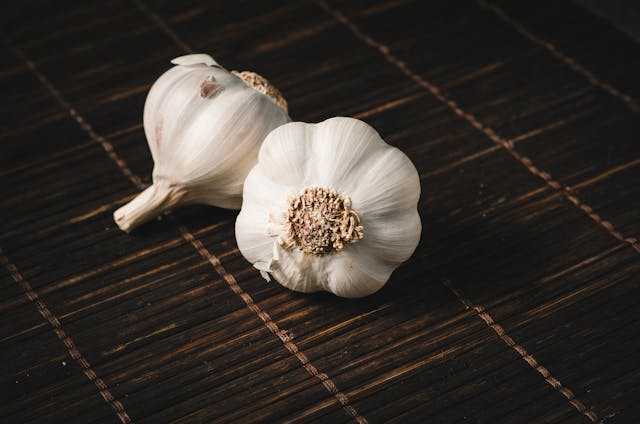
Throughout history, garlic has been more than just a food source for humanity—it has also served as a powerful emblem of healing. Rooted in mythological tales and now backed by scientific research, this miraculous plant explains why it has been hailed as a "cure-all" through both its cultural and medicinal legacy.
A Divine Gift: The Mythological Origins of Garlic
In ancient Greek mythology, Asclepius, the god of medicine, was a figure who brought healing to mortals and could even resurrect the dead. However, this power threatened the order of the gods, prompting Zeus to strike Asclepius down with his thunderbolts. Legend has it that the immortality elixir that fell from Asclepius' hands seeped into the earth and transformed into garlic. Thus, garlic remained a divine gift to humanity.
This belief found echoes in the ancient cultures of Anatolia. Garlic hung on doorways was thought to ward off evil and protect against disease. In folk medicine, garlic was used to treat everything from colds to digestive ailments.
The Science Behind Garlic’s Healing Power
Modern medicine supports garlic’s mythological reputation with scientific evidence. Its active compound, allicin, exhibits strong antibacterial and antiviral effects, forming a natural shield against infections. Its positive impact on cardiovascular health—regulating blood pressure and lowering bad cholesterol—is well-documented. Additionally, its antioxidant properties protect the body from harmful free radicals while strengthening the immune system.
Where Ancient Wisdom Meets Modern Science
Garlic has held a significant place in humanity’s quest for healing since ancient times. Its sacred identity in mythological tales now converges with its medically proven benefits. However, like any medicinal plant, excessive consumption of garlic may lead to side effects. Those taking blood-thinning medications or with sensitive stomachs should exercise caution.
In its millennia-long journey, garlic remains a symbol of humanity’s search for natural remedies. This miraculous plant, firmly rooted in both our cultural memory and medical textbooks, stands as one of the finest examples of ancient wisdom merging with modern science.