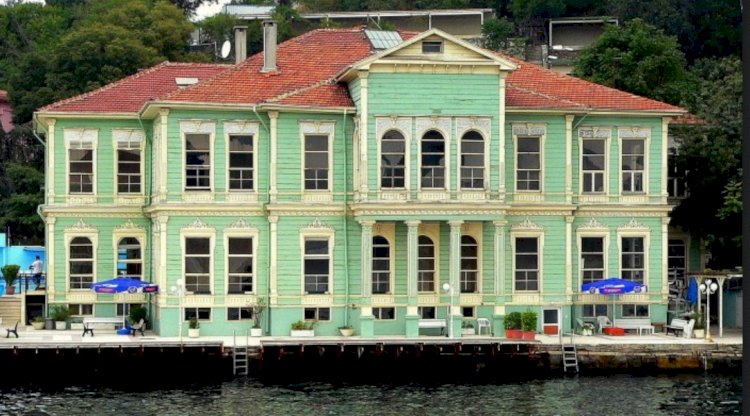
One of the most magnificent waterfront mansions on the Bosphorus, Hatice Sultan Mansion, draws attention not only with its architectural beauty but also with the transformation it has undergone over more than a century. Having once housed Ottoman princesses, this grand structure has witnessed fires, exiles, scandals, and major functional changes, and was most recently converted into a luxury boutique hotel following a restoration completed in 2024.
History and Architectural Features
Described as a jewel of the Bosphorus, the mansion is located in the Ortaköy neighborhood of Beşiktaş, right next to the famous Büyük Mecidiye Mosque (Ortaköy Mosque). It was built in the late 19th century by Sultan Abdülhamid II for Hatice Sultan, the daughter of his deposed uncle Sultan Murad V. Some sources state that the mansion originally belonged to Ali Saib Pasha and was later purchased by Abdülhamid II and presented to Hatice Sultan as a wedding gift.
Its architecture reflects a blend of Western styles and Ottoman tradition. Often attributed to the palace architects of the time, the Balyan Family, the building incorporates Neoclassical and Empire (Ampir) styles, along with Neo-Baroque and Art Nouveau details. With its white-painted wooden façade, bay windows overlooking the sea, symmetrical layout, hipped roof, and elegant wooden ornamentation, it is considered one of the most refined examples along the Bosphorus.
Hatice Sultan’s Marriage Story and the Mansion as a Gift
Hatice Sultan’s marriage story forms one of the most dramatic chapters of her life. After her father Murad V was deposed following a brief 93-day reign, she and her family lived under virtual house arrest in Çırağan Palace. Despite reaching marriageable age, no suitors came forward. The reason was a harsh political reality of the Ottoman court: to marry Hatice Sultan meant declaring oneself a potential claimant to the throne.
One notable example was Tahir Bey, the son of Tunisian statesman Hayreddin Pasha, who was considered a candidate. In order to avoid the marriage, he reportedly grew a beard at a young age to appear older, signaling his unwillingness.
In desperation, Hatice Sultan even expressed to her uncle that she would accept marriage “even to a eunuch of the harem.” Eventually, at the age of 31, she was taken to Yıldız Palace on the condition that she would never return to Çırağan. On September 12, 1901, she was married to Ali Vasıf Bey, the son of a palace official. The Hatice Sultan Mansion was presented to her as a wedding gift.
However, she found the marriage beneath her status and considered it humiliating. She reportedly refused to allow her husband into the private quarters, making him stay in the selamlık section. The marriage produced one daughter and ended in divorce in 1908.
The “Golden Cage” and a Scandal
The mansion also became the scene of a major love scandal. While living there, Hatice Sultan began writing love letters to Kemaleddin Pasha, the husband of her cousin Naime Sultan, who lived in the neighboring mansion.
When the affair was discovered, Sultan Abdülhamid II reacted furiously. In 1904, he forced Kemaleddin Pasha to divorce, stripped him of his titles, and exiled him to Bursa.
Upon hearing of the scandal, Murad V was deeply distressed and reportedly said: “Until now I have preserved my honor. Hatice will be the cause of my death,” and passed away shortly after. Following this event, the mansion was for a time referred to as a “golden cage,” and Hatice Sultan lost her standing in the palace.
Second Marriage and Years of Exile
After her first marriage ended, Hatice Sultan married again on May 1, 1909, to Rauf Hayreddin Bey, a foreign affairs clerk younger than her. They had one son and one daughter, but this marriage also ended during World War I.
In 1924, with the abolition of the Caliphate and the exile of the Ottoman dynasty, Hatice Sultan was forced to leave for Beirut with her children at the age of 54. She lived in poverty in exile, at one point surviving on a small allowance sent by her Indian son-in-law. She died in Beirut on March 13, 1938, in hardship and deprivation, and was buried in the courtyard of the Süleymaniye Mosque in Damascus. Her life story is told in her granddaughter Kenizé Mourad’s book From the Palace to Exile.
Republican Era and Transformation
After the exile of the Ottoman dynasty in 1924, the mansion became state property. For many years, it served as an orphanage (Darüleytam) and later as Gazi Osman Pasha Primary School.
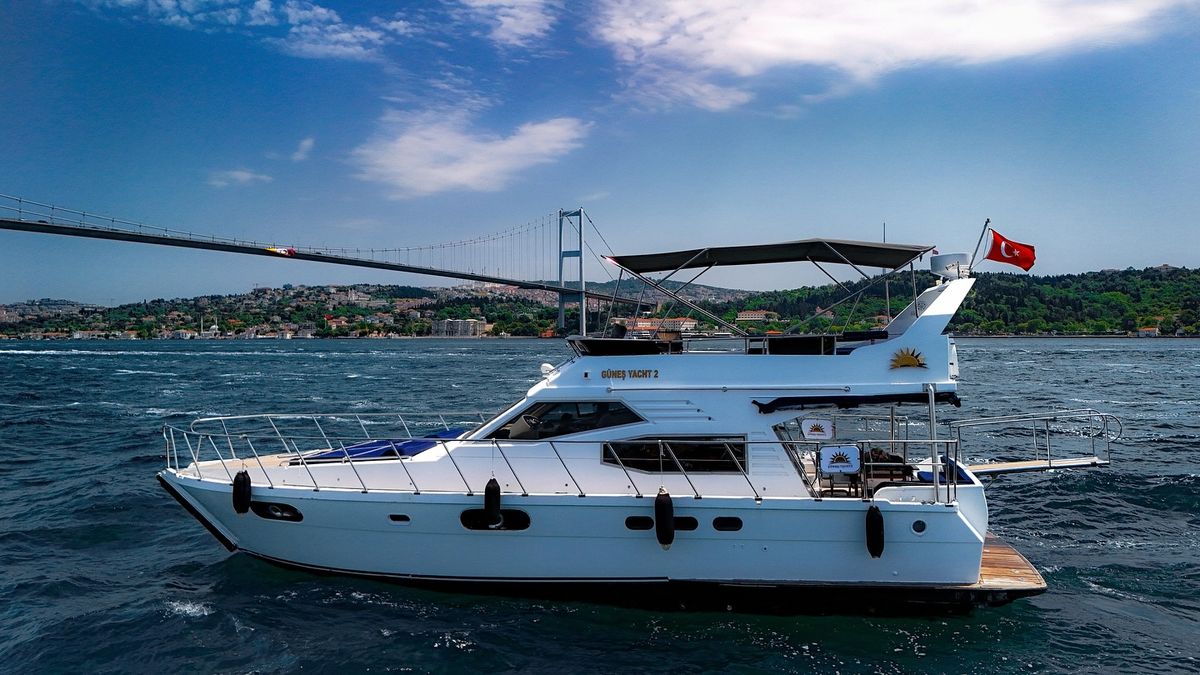
During the construction of the Bosphorus Bridge (15 July Martyrs Bridge) in the 1970s, the building’s foundation shifted and the structure partially slid toward the sea. It was later stabilized using reinforced piles. From 1972 onward, it was used for many years by the Istanbul Swimming Specialized Club, during which time a swimming pool was added to the garden.
Restoration and Present-Day Function
In 2009, the mansion’s fate changed again when it was leased to a partnership between Turkish Airlines (THY) and DO&CO. After a long legal process, the building was restored in accordance with its original design.
The restoration, announced as completed in September 2024, included not only the main mansion but also surrounding structures such as the Selamlık Pavilion, bathhouse, and stable quarters.
Today, Hatice Sultan Mansion, together with the adjacent Fehime Sultan Mansion, is being prepared to serve as a luxury boutique hotel and social complex. It is expected to host accommodation, dining, meetings, and special events. However, this transformation has also drawn criticism, as the site—once open to the public as a sports club—has now become a private enterprise.