History begins with writing. This revolutionary invention, which allows humanity's collective memory, thought, and culture to be transmitted across generations, has secured an indispensable place in our lives. However, writing did not reach its current systematic and mature state overnight; it is the ultimate product of a development process spanning thousands of years, involving experimentation and systematization. This journey from primitive signs to modern alphabets is a reflection of the human mind's most fundamental need: the quest for communication and permanence.
If we define writing as "a system for fixing speech with lines," it is possible to trace its roots to the earliest ages of humanity. Even the most primitive communities felt the need to develop methods of communication beyond sound. In pre-literate societies, a range of techniques—such as images drawn on cave walls, specific objects used for communication, knots, or signaling with smoke—are the first evidence of humanity's striving to communicate. Archaeological findings show that the oldest human communities used many of these methods and that the development of these techniques was directly linked to the level of complexity of humankind's relationship with both its natural and social environment.
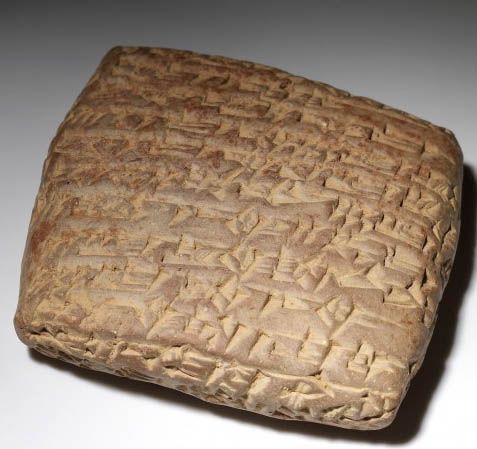
This drawing tradition, which evolved from pre-figurative shapes to stylized and standardized pictures, formed the foundation of the first picture-based forms of writing. The roots of the ancient ancestors of our modern scripts—Egyptian Hieroglyphs and Mesopotamian Cuneiform—extend deep into the Paleolithic Age. However, true writing, where feelings and thoughts were recorded using specific words and concepts, emerged around 3000 BC in Mesopotamia, and shortly thereafter in Egypt, marking a new epoch in human history.
In conclusion, writing is not merely a tool of communication but also a critical turning point in humanity's capacity for abstract and symbolic thinking. It is the result of a long search, experimentation, and accumulation in the process of humankind's cultural evolution. The great transition from cave paintings to alphabetic writing took thousands of years and followed a dynamic evolutionary path that is difficult to delineate with precise lines. The history of writing is, ultimately, intertwined with the history of culture and has become the cornerstone of humanity's collective memory.